
Newsletter Subscribe
Enter your email address below and subscribe to our newsletter

 ByJohn A
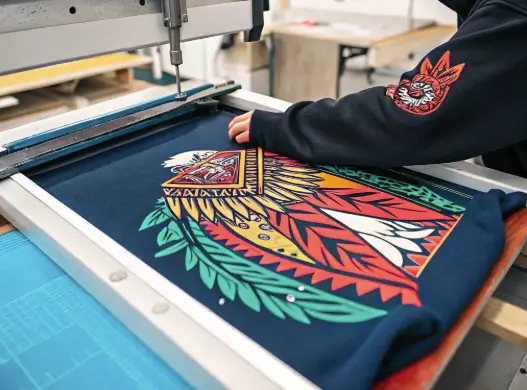
Executing a major screen printing run or expansive merchandise rollout requires clear communication between graphic artists, print technicians, and purchasing managers. Production teams often spend weeks perfecting graphic illustrations, color separations, and marketing schedules while treating base garments as an afterthought. Sourcing dependable Bulk Sweatshirts for Printing provides your operation with an optimized, lint-free textile foundation that holds intricate ink deposits cleanly across high-speed automatic presses.
Selecting an unsuitable fleece blank leads to ink cracking, severe dye migration, and frustrated retail customers. Taking time to inspect fabric surface mechanics, yarn spinning methods, and dye stability ensures that your finished apparel line delivers sharp graphics, comfortable wear, and lasting durability.
The physical surface of a sweatshirt dictates how smoothly print squeegees shear ink across the knit and how cleanly screen emulsions clear. Because fleece combines an exterior knit face with a brushed, insulating interior, yarn density directly influences print clarity.
Matching your intended printing technique to the underlying fiber construction prevents common shop headaches like fibrillation, pinholes, and rough ink textures.
Standard fifty-fifty cotton-polyester fleece blends provide excellent tensile strength, minimal wash shrinkage, and budget-friendly pricing. However, synthetic polyester fibers melt at high curing temperatures and bleed dispersed dyes into wet ink films, requiring low-cure, low-bleed plastisol formulations to prevent color tinting.
Blanks featuring an eighty-twenty cotton-polyester construction with a dedicated one hundred percent combed, ring-spun cotton face offer the ideal surface for detailed screen printing and direct-to-garment digital machines. Natural cotton strands absorb liquid ink binders smoothly, allowing tight line work and fine typography to cure without fuzzy fiber interference.
Inspecting the outer face of your blank fleece ensures that surface fibers lay flat under print heads rather than lifting through cured ink layers during laundry cycles.
Commercial print shops running high-volume jobs under tight deadlines frequently rely on established industry favorites. Outfitting production lines with a classic Jerzees Sweatshirt gives decorators a dependable balance of structural pill resistance, steady dimensional stability, and pre-shrunk fleece reliability.
These workhorse fleece garments feature high-density knit surfaces engineered specifically to minimize loose surface lint. Less lint on the fabric face keeps automated screen meshes clean, preventing ink clogs and reducing mid-run production stops.
Choosing proven blanks protects high-output print shops from unexpected registration shifts, keeping large client deliveries moving on schedule.
Running hundreds or thousands of fleece pullovers through automated presses requires strict calibration of squeegee angles, mesh counts, and dryer conveyor speeds. Fleece holds more moisture and thickness than lightweight jersey tees, requiring adjusted curing profiles.
Balancing print shop variables ensures that every piece in a high-volume run meets strict retail standards.
Printing bright graphics onto colored or dark fleece requires laying down a solid, opaque white underbase screen first. Without this flash-cured foundational barrier, top inks sink into the dark textile fibers, resulting in dull, muddy artwork.
Using high-opacity, low-bleed underbase inks prevents heated fabric dyes from migrating upward into white, yellow, or pastel top coats during conveyor drying.
Maintaining proper flash-cure unit temperatures gels the underbase surface without scorching the surrounding cotton ribbing, ensuring smooth top-color laydown across long print runs.
Direct-to-garment digital printing onto fleece requires precise pre-treatment application to bind water-based white inks to the fabric face. Pre-treatment serves as a liquid primer that forces white ink pigments to solidify on contact rather than soaking into the interior fleece pile.
Applying too much pre-treatment leaves visible chemical staining halos around printed graphics, while applying too little results in dull, faded artwork after initial home laundering.
Calibrating automated pre-treatment sprayers and heat-press finishing sheets ensures uniform digital print vibrancy across every garment in your production run.
Managing logistics for a major commercial print project requires steady blank availability and transparent shipping tracking. Running out of critical mid-sizes halfway through a production schedule halts automatic presses, creates machine downtime, and jeopardizes client delivery commitments.
Establishing strong relationships with verified commercial suppliers protects print businesses from inventory gaps during peak seasonal demand.
Commercial printing businesses need inventory partners who provide real-time stock visibility and dependable freight handling. When suppliers show inaccurate warehouse counts, print shops face frantic garment substitutions and delayed distribution dates.
Working with dependable blank apparel sources like Simplstc Apparel gives print operators and brand managers steady access to first-quality fleece blanks across core size distributions. Sourcing inventory through verified distribution channels via simplstcapparel allows production managers to plan automatic press schedules around verified warehouse counts and predictable transit timelines.
Consistent inventory shipments give your print team the confidence to book large corporate contracts without worrying about inventory gaps.
Establishing a clear intake procedure when delivery trucks unload blank inventory prevents expensive shop errors. Once a blank garment runs under an automatic press squeegee or embroidery frame, blank distributors cannot accept it for return.
Unpack sample boxes from each size run to check neck tags, sleeve lengths, and seam stitching before sending garments to the staging tables. Look for needle holes, loose shoulder threads, or irregular collar ribbing that could affect the final product.
Catching rare factory defects before printing starts protects your bottom line and maintains high quality across the entire customer order.
See also: How Crypto Wallet Recovery Works
Large-scale printed apparel projects serve diverse organizational needs, from university campus drops and charity road races to corporate uniform programs and touring band merchandise. Designing graphics that wearers genuinely appreciate turns temporary promotional garments into long-term wardrobe staples.
Soft-hand plastisol inks mixed with curable reducers keep large chest prints flexible, preventing heavy, armor-like ink deposits that feel stiff and trap body heat.
Water-based discharge inks offer an exceptional alternative on one hundred percent cotton-faced fleece, chemically removing base fabric dyes and replacing them with vibrant pigments for a breathable, zero-hand feel.
Removing scratchy manufacturer tags and screen printing custom interior neck labels adds an extra layer of retail sophistication that reinforces your brand identity.
Succeeding in large-scale garment printing requires balancing artistic vision with practical fabric performance. A brilliant graphic design loses its impact if applied to flimsy fleece that pills, shrinks, or bleeds after two trips through a home washing machine.
By taking time to analyze yarn construction, using proper underbasing techniques, and partnering with dependable blank suppliers, print shops and corporate buyers can execute large apparel orders with complete confidence.
Investing in the right blank base ensures your custom merchandise looks sharp on delivery day and continues promoting your brand across communities for years to come.
